
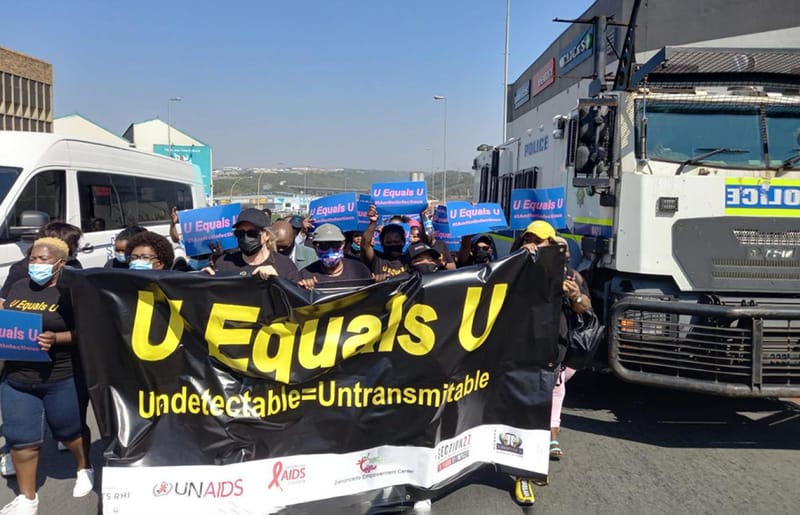
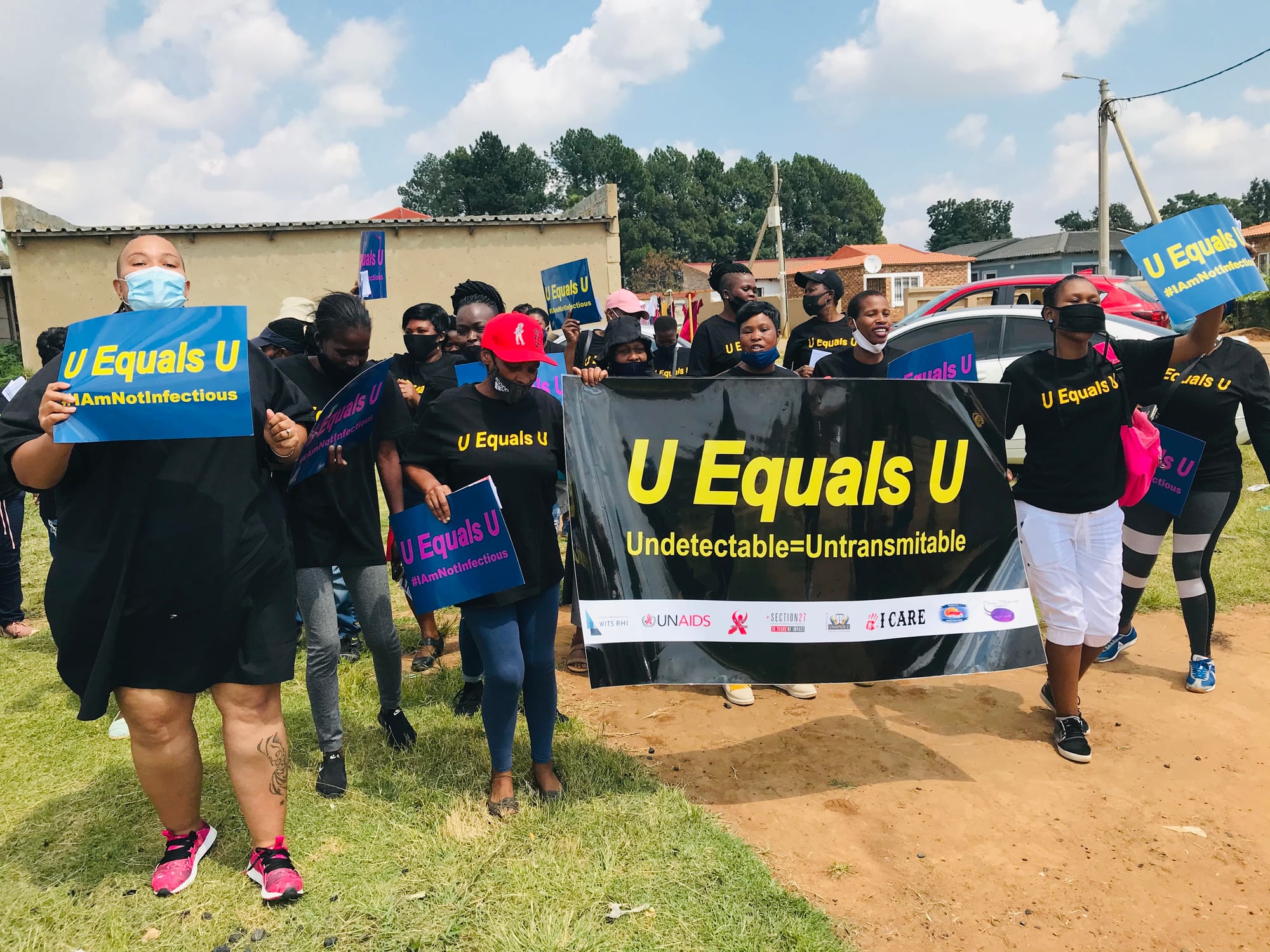
Undetectable = Untransmittable (U=U) U=U means that when a person living with HIV takes antiretroviral treatment (ART) consistently and achieves an undetectable viral load, they do not transmit HIV sexually. Beyond its impact on HIV prevention, viral suppression also plays a critical role in protecting infants during pregnancy and breastfeeding. For mothers living with HIV, maintaining an undetectable viral load dramatically reduces the risk of transmitting HIV to their babies, making healthy motherhood and HIV-free childhood a reality.
Evidence in Action
From HIV to Regional Health Impact "Advancing the SDG 3 Agenda”
About
Evoking collaboration and evidence-based impact across diseases
Vision
A future where lived experience coupled with evidence drives innovation, strengthens accountability, and delivers sustained public health support and social services.
Mission
To leverage multi-sectoral partnerships and the lived expertise of people living with HIV to promote evidence-based advocacy, strengthen multi-disease integration, and ensure equitable access to prevention, treatment, and care across Africa and the Global South.
Background
HIV Survivors and Partners Network is a PLHIV-led organization with over 20 years of lived experience and technical expertise in HIV and multi-disease program design and implementation. The organization is based in South Africa and is active across Africa.
Goals and Objectives
A future where lived experience coupled with evidence drives innovation, strengthens accountability, and delivers sustained public health support and social services.
Mission
To leverage multi-sectoral partnerships and the lived expertise of people living with HIV to promote evidence-based advocacy, strengthen multi-disease integration, and ensure equitable access to prevention, treatment, and care across Africa and the Global South.
Background
HIV Survivors and Partners Network is a PLHIV-led organization with over 20 years of lived experience and technical expertise in HIV and multi-disease program design and implementation. The organization is based in South Africa and is active across Africa.
Goals and Objectives
- To advance the agency of people with HIV in shaping policies, programs, and innovations that sustain HIV treatment gains and advance broader global health priorities, while advocating for equitable access to optimized health and diagnostics services.
- To strengthen integrated pediatric HIV care and triple elimination- ensuring every child survives and thrives.
- To drive co-creation of HIV cure agendas and mobilize multi-sectoral action for advocacy and implementation.
- To use an evidence-based approach, including U=U and broader literacy initiatives, to reduce stigma, increase demand for ART and viral load monitoring, and improve HIV treatment outcomes.
- To promote the use of real-world evidence, implementation science, and community insights to enhance multi-disease, person-centered models of care across HIV and other STIs, NCDs, including cancers, and emerging public health threats.
Programs
Advancing Evidence-Driven Community and Health Systems
Community Based Paediatric HIV Services and Triple Elimination
Advocating for access to HIV prevention and treatment services for paediatrics and adolescents
U=U South AfricaAdvancing Cervical Cancer Awareness and Access to Diagnostics for WLHIV
We advocate for equitable access to cervical cancer prevention and treatment services for women and girls living with HIV. Our work focuses on strengthening community awareness, demand creation, health system integration, and policy engagement to ensure that cervical cancer services are accessible, responsive, and aligned with the needs of women living with HIV.
Community Systems Strengthening
Peer led Capacity Building for civil society, non governmental, government and private businesses.
Co- Designed U=U South Africa Campaign
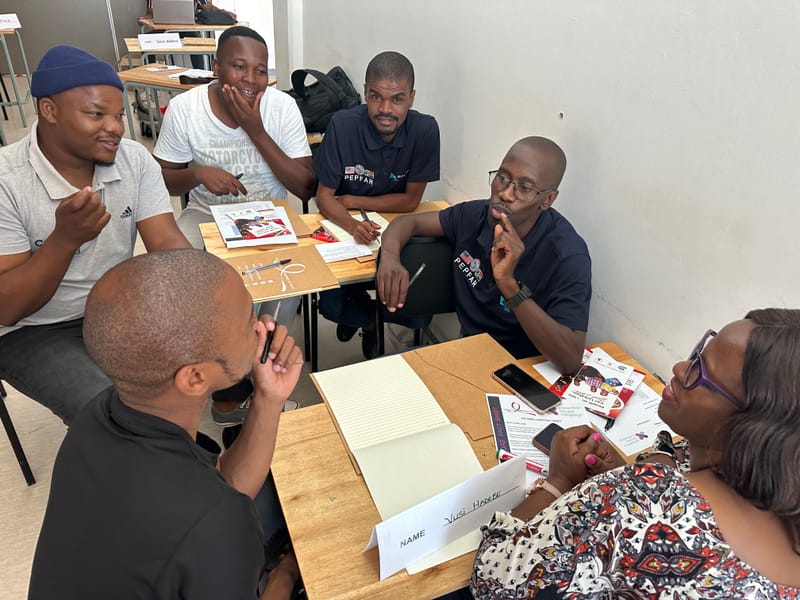
U=U workshops for HCW's and CHW's Demand Creation Community and Social Media Campaigns Radio and Television talks IEC Material Designing
HCW's in Aids Care Program
Training and Mentoring for HCW's in Aids Care Championing Patient Centered Care- Annual Conferences
Community Led Service Delivery
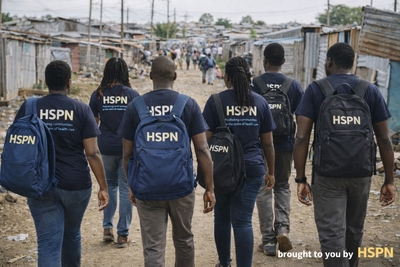
Tracking and Tracing disengaged clients Peer Led- Community Based HIV Testing/Index /Couple Testing Safer Conception Service Advise and Referral Prep/HAART distributors
Community Based Paediatric HIV Services and Triple Elimination
Advancing Cervical Cancer Awareness and Access to Diagnostics for WLHIV
Community Systems Strengthening
Co- Designed U=U South Africa Campaign
HCW's in Aids Care Program
Community Led Service Delivery
Membership Registration
Membership and partnership is open to all organisations that fits the criterial below.
Consider that your organisation is registered as a:
Faith-based organisation
Community-based organisation
Network of PLHIV
If you are a civil society organisation, we invite you to become a partner of HIV Survivors and Partners Network. Partnership is open to organisations active in the field of public health and social services space particularly HIV, STI, Triple Elimination and Global Alliance, and HIV Cure Literacy and Advocacy. This opportunity is for organization in the Global South- English speaking. Read more information about partnerships below.
Why become a member?
Membership enables you to send your non-medical staff to our certified trainings for free :
Capacity Building opportunities (Training and Mentoring)
Equipment and tools required to deliver your HIV, NCDs, STI's, Triple Elimination & Global Alliance
IEC material with real life stories of PWHIV for your demand creation campaigns
HIV and Treatment Literacy electronic material
Benefits of Partnering with HSPN
Featured in HSPN e-Newsletters: Showcase your organisation, initiatives, and impact through our regular digital communications.
Access to Volunteer Support: Benefit from our volunteer programme, which places skilled and emerging volunteers across regions to support community-based initiatives and organisational growth.
Partner Profile on the HSPN Website: Gain visibility through a dedicated feature on our partners page, highlighting your work and areas of collaboration.
Priority Access to Funding Opportunities: Be among the first to receive information on relevant funding, grant, and partnership opportunities.
Networking and Collaboration Opportunities: Connect with a diverse network of community organisations, advocates, researchers, and development partners.
Participation in Capacity-Building Initiatives: Access training, technical support, and knowledge-sharing opportunities aligned with HIV, Triple Elimination, and community systems strengthening priorities.
You also benefit from:
Exchange experiences with other NGO's
Showcase your work with other key players across various levels
Join the Champions of Change virtual mentorship sessions
Commitment of members
We consider membership a two-way process. It enables you to share your best practices at the National and Regional level while at the same time you can learn from other experiences. Membership means commitment for action.We welcome voluntary contributions, financial or in-kind, from members, as we depend on external support to enable the partnership to develop further.
Our partners are sector organisations that are active in the field of HIV, Triple Elimination, NCDs, HIV Cure Literacy and Advocacy, Cervical Cancer Elimination in Africa, including:
National and Regional networks; Global networks of end users; Research institutions; Universities; Private for profit organisations
Registered members will get a certificate endorsing the memberships with a unique code to use whenever they join our regional sessions/request services
Join us
Consider that your organisation is registered as a:
Faith-based organisation
Community-based organisation
Network of PLHIV
If you are a civil society organisation, we invite you to become a partner of HIV Survivors and Partners Network. Partnership is open to organisations active in the field of public health and social services space particularly HIV, STI, Triple Elimination and Global Alliance, and HIV Cure Literacy and Advocacy. This opportunity is for organization in the Global South- English speaking. Read more information about partnerships below.
Why become a member?
Membership enables you to send your non-medical staff to our certified trainings for free :
Capacity Building opportunities (Training and Mentoring)
Equipment and tools required to deliver your HIV, NCDs, STI's, Triple Elimination & Global Alliance
IEC material with real life stories of PWHIV for your demand creation campaigns
HIV and Treatment Literacy electronic material
Benefits of Partnering with HSPN
Featured in HSPN e-Newsletters: Showcase your organisation, initiatives, and impact through our regular digital communications.
Access to Volunteer Support: Benefit from our volunteer programme, which places skilled and emerging volunteers across regions to support community-based initiatives and organisational growth.
Partner Profile on the HSPN Website: Gain visibility through a dedicated feature on our partners page, highlighting your work and areas of collaboration.
Priority Access to Funding Opportunities: Be among the first to receive information on relevant funding, grant, and partnership opportunities.
Networking and Collaboration Opportunities: Connect with a diverse network of community organisations, advocates, researchers, and development partners.
Participation in Capacity-Building Initiatives: Access training, technical support, and knowledge-sharing opportunities aligned with HIV, Triple Elimination, and community systems strengthening priorities.
You also benefit from:
Exchange experiences with other NGO's
Showcase your work with other key players across various levels
Join the Champions of Change virtual mentorship sessions
Commitment of members
We consider membership a two-way process. It enables you to share your best practices at the National and Regional level while at the same time you can learn from other experiences. Membership means commitment for action.We welcome voluntary contributions, financial or in-kind, from members, as we depend on external support to enable the partnership to develop further.
Our partners are sector organisations that are active in the field of HIV, Triple Elimination, NCDs, HIV Cure Literacy and Advocacy, Cervical Cancer Elimination in Africa, including:
National and Regional networks; Global networks of end users; Research institutions; Universities; Private for profit organisations
Registered members will get a certificate endorsing the memberships with a unique code to use whenever they join our regional sessions/request services
Join us
Whistle Blowing Form
HIV Survivors and Partners Network is committed to the highest standards of integrity, accountability, and transparency in all its programmes and partnerships. We encourage staff, partners, beneficiaries, and members of the public to report any concerns related to suspected misconduct, fraud, corruption, misuse of funds, safeguarding violations, or unethical behaviour associated with our activities or those of our partners. Reports can be submitted confidentially and, where preferred, anonymously. All concerns will be treated seriously, reviewed promptly, and handled in accordance with HSPN’s whistleblowing and safeguarding policies. Individuals who report concerns in good faith will be protected from retaliation. Kindly narrate the issue in the message section, and we will get back to you. Also, note that you may not write your name if you wish to remain anonymous.
Events
The congress will bring together researchers, policymakers, civil society, and industry leaders to translate cutting-edge HIV research into actionable policies and practices, strengthen evidence-based decision-making and promote innovative solutions to improve public health outcomes across Africa
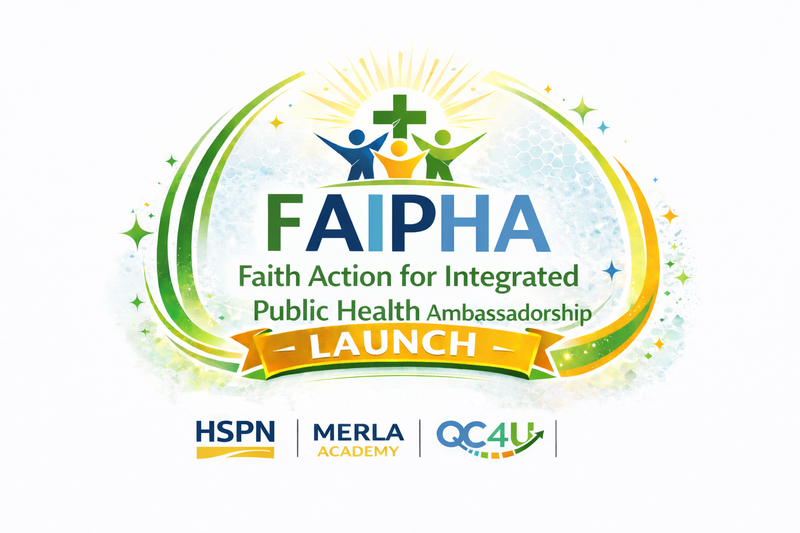
Faith Action for Integrated Public Health Ambassadorship program launch. FAIPHA is designed by public health specialists to strengthen faith leaders’ capacity to support disease prevention, promote accurate health information, and engage effectively with public health systems while remaining grounded in their spiritual mandate and leadership values. As communities increasingly look to the church for guidance during everyday health challenges and public health emergencies, FAIPHA provides practical, values-aligned tools to enhance the church’s role in safeguarding community-wide health and wellbeing and to strengthen faith leaders’ ability to support prevention and promote accurate health information. The event is led by HIV Survivors and Partners Network (a non-profit operating in Gauteng) in collaboration with Quality Care 4 U (MERLA Academy)
Mandisa Dukashe- the founder of HSPN approached the E.C to secure a buy-in from the policy makers and leaders of the province. The campaign was finally and officially launched with pledges of support from Eastern Cape Premier Oscar Mabuyane, community members and other prominent stakeholders, including the Eastern Cape Provincial AIDS Council, the Department of Health, the South African National AIDS Council and UNAIDS. Eastern Cape was the first of nine provinces in South Africa to launch a public information campaign to raise awareness of U = U (undetectable = untransmittable) and to encourage people living with HIV to commence, maintain or resume treatment and achieve and maintain an undetectable viral load. For more information, please read here: https://www.unaids.org/en/resources/presscentre/featurestories/2022/march/20220321_eastern-cape-u-u
Conducted district based dialogues and engagements with various civil society organisation to promote the uptake of U=U messaging. Advocated for adoption and integration of U=U in demand creation programs to promote retention to care and distigmatise HIV. These engagements led to a wide and national adoption of U=U, and eventually a national launch (following various district based and provincial launches)
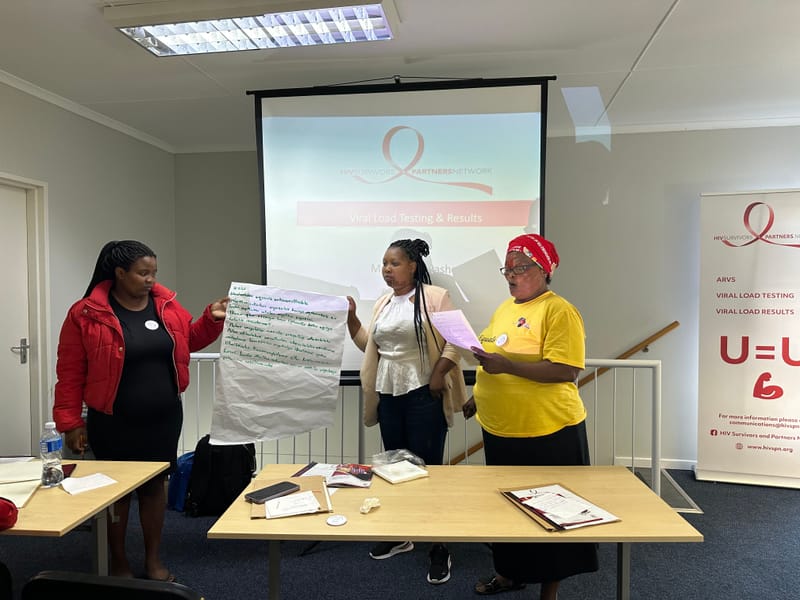
HSPN convened dialogues with organizations to 1) understand community perspectives on VL testing access and practise; 2) ensure community engagement in HIV monitoring research studies; and 3) generate broad- based community support and demand for innovation products and conducted a series of country-level landscape analyses on VLT to better understand the current context, assess barriers and facilitators to VLT among community members. HSPN worked with community stakeholders to co-create a community engagement plans and hosted five workshops on VLT access and education of approximately 20 attendees. At the conclusion of the fifth workshop, HSPN hosted a community advocacy in Johannesburg in relation to VLT access advocacy.
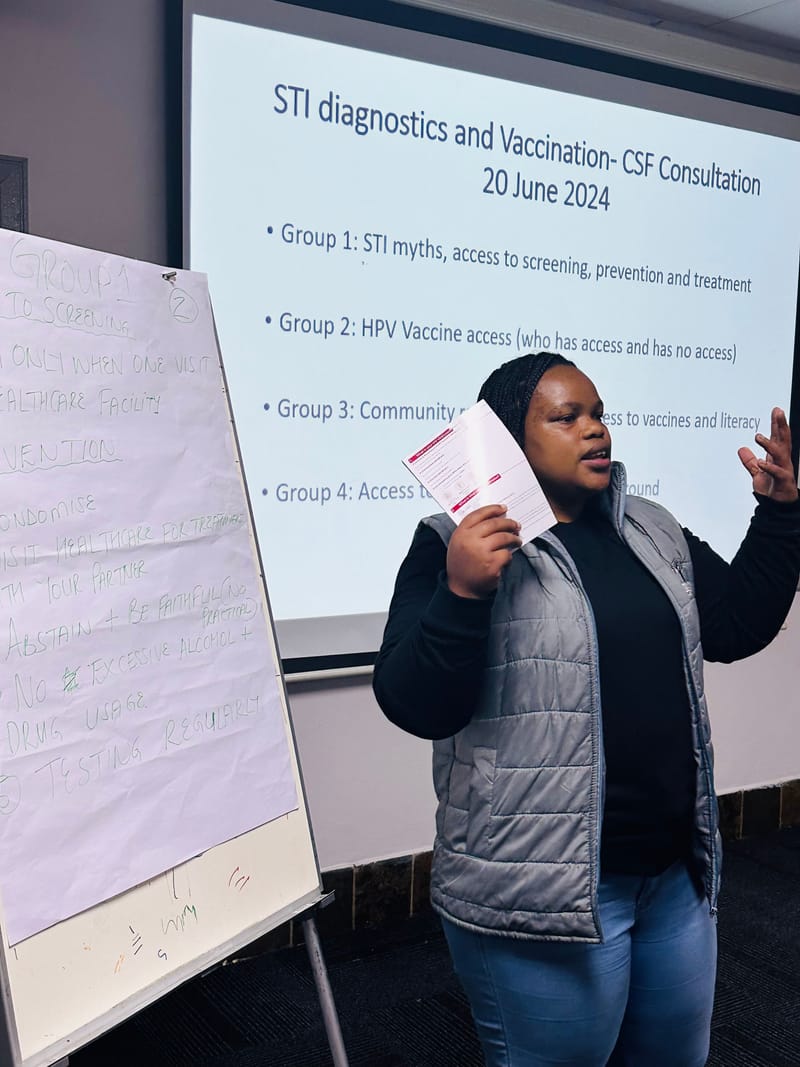
Through consultations with local government officials and civil society leaders in North West, Gauteng, and KwaZulu Natal Provinces, the HIV Survivor’s Partner Network identified several major STI prevention gaps. They found that test kit shortages lead providers to diagnose STIs based on symptoms alone, which may lead to under- or over-treatment and could potentially exacerbate antimicrobial resistance. They also noted that limited HPV vaccination coverage leaves significant populations, including adult women, boys, and girls who attend private schools, unprotected. Specifically, they found that only 35% of HIV testing clients were screened for STIs, and that many community organizations lacked STI literacy materials. Additionally, most private school girls had not been offered the free HPV vaccine, underscoring the urgent need for policy reforms. They call for greater civil society engagement to advance STI literacy and advocate for new diagnostics and vaccines.
Blog
PLWHIV are placing themselves at the centre to End the Epidemic by 2030
15Mar
Report by: 26th May 2025 | Elri Voigt
Provincial data for key indicators in children living with HIV in South Africa- We can do better!
| Province | ART coverage in children <15 | % of children diagnosed | % diagnosed children on ART | % children virologically suppressed on ART |
|---|---|---|---|---|
| Western Cape | 77.7% | 81.9% | 94.9% | 81.8% |
| Northern Cape | 73.0% | 76.9% | 94.9% | 72.8% |
| KwaZulu-Natal | 59.4% | 87.0% | 68.2% | 80.8% |
| Eastern Cape | 59.1% | 83.4% | 70.9% | 73.2% |
| Mpumalanga | 57.7% | 84.3% | 68.4% | 75.8% |
| North West | 56.8% | 83.1% | 68.3% | 74.6% |
| Free State | 53.2% | 84.0% | 63.3% | 81.4% |
| Limpopo | 52.2% | 74.1% | 70.4% | 72.8% |
| Gauteng | 47.4% | 80.1% | 59.3% | 76.6% |
2024 data on how each province is doing for key HIV indicators for children <15, based on the Thembisa estimates. (Table created by Spotlight using data from the Thembisa 4.8 model)
24Feb
Moving from targets to reality
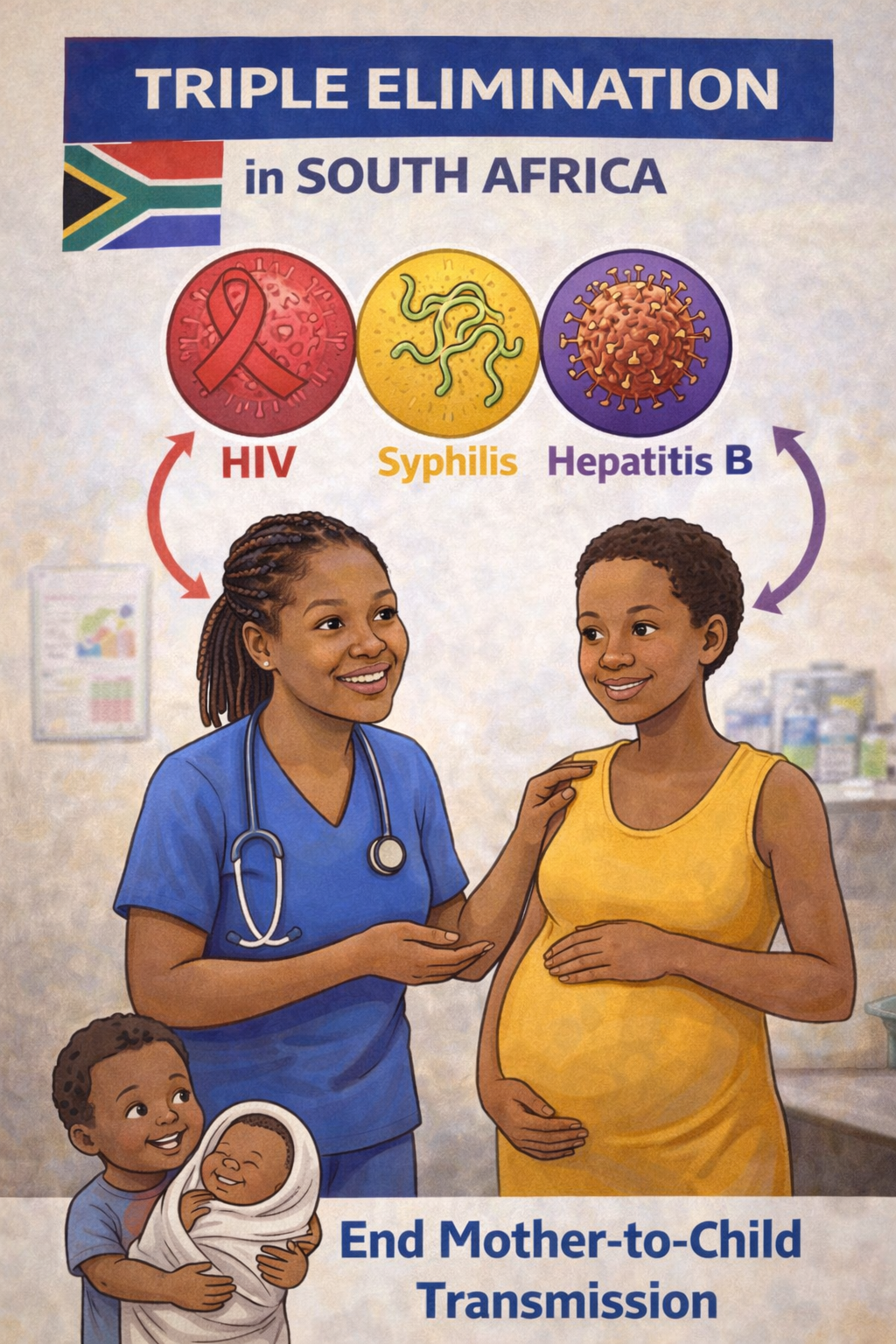
Triple Elimination will not be achieved solely through policy. It requires:
- Integrated service delivery and multi-sectoral collaborations
- Strong community systems and client-centred care
- Reliable data and accountability
- A focus on equity, reaching the last mile
Africa has the tools, knowledge, and commitment to end mother-to-child transmission of HIV, syphilis, and hepatitis B. What is needed now is integration, investment, and implementation at scale and in communities. Every pregnancy reached, every infection prevented, and every child protected brings us closer to a generation born free of preventable disease.
08Feb
South Africa has made one of the most significant global investments in HIV treatment, building the largest antiretroviral therapy (ART) programme in the world. These investments have saved millions of lives, strengthened public health systems, and demonstrated what is possible when political commitment, funding, and science align. Yet sustaining these gains remains a growing challenge. Funding constraints, health system pressures, workforce shortages, and persistent social barriers threaten long-term outcomes. As the HIV response evolves, one question becomes increasingly clear: How do we protect and sustain what has already been achieved? The answer lies in placing communities at the centre of the HIV response.
Why Sustainability Depends on Communities
HIV treatment does not exist only within clinics or policy frameworks. It is lived daily in households, informal settlements, workplaces, and social networks. When communities are marginal to the response, investments struggle to translate into lasting outcomes. When communities are central, those same investments are amplified, protected, and sustained. Community-centred approaches strengthen sustainability in several critical ways.
HSPN Strengthen Retention in Care
Loss to follow-up remains one of the most significant threats to treatment outcomes. Missed appointments and treatment interruptions are rarely driven by lack of clinical knowledge alone. They are shaped by stigma, transport costs, unstable livelihoods, food insecurity, and competing life pressures. Community-based support, through peer navigators, community health workers, adherence clubs, and local networks, helps identify disengagement early and respond in realistic, humane ways. This prevents treatment interruptions before they become clinical failures, protecting both individual health and system investments.
Trust Makes Treatment Work
Trust is foundational to effective HIV care, yet it cannot be manufactured through policy alone. Communities play a central role in building trust between health systems and the people they serve. When treatment messages, follow-up, and support are delivered by trusted community members, services feel less punitive and more supportive. This trust improves uptake, adherence, disclosure, and long-term
01Feb
Key Pediatric HIV Cascade Figures (South Africa)
- Diagnosis: Approximately 83% to 85.5% of children living with HIV are aware of their status.
- Treatment Coverage: Roughly 63% of children living with HIV are on ART.
- Viral Suppression: Only about 70% of children on ART are virally suppressed.
- Mortality: An estimated 2,100 children die from AIDS-related causes annually.
Challenges in the Cascade
- Treatment Adherence & Formulation: Suboptimal, non-child-friendly, or difficult-to-administer drug regimens have historically contributed to low suppression rates.
- Loss to Follow-up: High rates of attrition occur between diagnosis, linkage to care, and sustained retention in care.
HSPN will not keep quite!
16Nov
Leading STI Advocacy and Literacy: We are providing communities with the knowledge they need to make informed sexual health decisions, recognise symptoms, understand treatment options, and challenge stigma. By combining strong diagnostics, comprehensive prevention, and community-centered education, STI advocacy drives improved health outcomes, reduces transmission, and supports healthier, more empowered populations
In 2023, AVAC and advocacy partners assessed the STI prevention landscape across East and Southern Africa. By documenting existing resources, gaps, and challenges, these analyses laid essential groundwork for developing an informed, strategic, collaborative advocacy agenda. Across the seven countries assessed, health professionals and key population informants alike reported lack of knowledge and inadequate testing for STIs. Low testing rates were attributed to a range of challenges including lack of awareness of the need for testing, limited supplies of test kits, testing services being inaccessible or unaffordable, and STI-related stigma. Newer, faster, and cheaper diagnostic tools could help address some of these problems, as could preventive or therapeutic STI vaccines. Several analyses also noted the need for more up-to-date, targeted STI data to inform national policies.
“We remember when we started HIV advocacy, we were told that HIV is not an emergency. This is the same thing we are hearing, that STI is not an emergency. We want to say that STI is an emergency. And if we are not treating STI as an emergency, we will actually risk to be where HIV is now with STI.” Mandisa Dukashe, HIV Survivors and Partners Network, South Africa.
Your can read about this STI advocacy work here: https://www.stiwatch.org/moving-the-sti-research-development-and-diagnostics-agenda-forward/
11Jul
Despite widespread support for MIPA principles, meaningful involvement of PLHIV and other community stakeholders can be challenging to achieve and is not applied consistently in all areas of HIV-related clinical research. A recent systematic review found that community stakeholder involvement predominantly occurs in the early stages of a trial, often to support participant recruitment, but is limited in later trial stages. Methods used to engage with communities are also often researcher driven and utilize formal consultation methods, such as interviews or focus groups, that do not afford PLHIV any power to influence the research process. A team of close to 150 HIV Cure CAB members and Cure alumni's met to discuss strategies to ensure continuous meaning involvement of community in the Cure Agenda
09May
Eastern Cape becomes the first South Africa province to campaign on U = U. HSPN among the few organisations that initiated the concept and led the launch

Example Text
12Apr
HSPN is led by female nurses that are living openly with HIV in HIV mixed status marriages. These 2 warriors took a decision to mobilise more women across the country in 2020 and established a virtual safe space (support group) for women and girls living with HIV. The purpose of the group was to render non judgmental support and inspiration, encourage each other to remain on treatment, ensure members are virally suppressed, and promote disclosure to sexual partners. These nurses dedicate their time to answer medical questions related to treatment initiation for newly diagnosed members, treatment switches for those with side effects or resistant to 1st line, interpreting blood results, encouraging members to demand Viral load blood taking and also insist on getting their blood results shared with them. Not a single member knew about U=U when the group was started, less than 60% knew when should their viral load bloods be taken, less than 50% knew their current viral load results and more than 40% had an undetectable viral load. To date the group has about 250 members, only 30% of the members disclosed their status to their sexual partners when the group was started, and now more than 60% have disclosed. Members are posting pictures of their viral load results in the group as soon as they get them from their Dr's and from the clinics, and more than 90% of the members have an undetectable viral loads. That is taken as a success and celebrated by all and is motivating everyone to adhere to treatment and to stay suppressed.
28Nov
ASSESSING PATIENTS EMPOWERMENT AND INVOLVEMENT IN HIV/AIDS MANAGEMENT AND PREVENTING TRANSMISSION
Mandisa Nikita Dukashe1
High levels of patients engagement in HIV care are considered essential to maintaining optimal health benefits, and patients who are on treatment and retained in HIV care are known to have better health outcomes. The main objective of this study was to understand whether patients with HIV are empowered and involved in managing their HIV/AIDS illness and prevention of its transmission. The study adopted a qualitative phenomenological approach to understand clients’ empowerment and involvement in HIV care, the researcher conducted 8 focus group discussions and 3 in-depth interviews with two distinct groups: clients who attended medical appointments and collected their treatment from the health facility and health care providers who serve these clients. Study findings showed that powerlessness extends well beyond strictly medical and treatment-related issues. Study participants expressed or demonstrated to have at some point lack of knowledge that is a threat to self-management, might impact negatively on their treatment outcome and their ability to prevent transmitting HIV. The key recommendation is to ensure that the health care system makes information available to patients (and their families) to make informed decisions when selecting a health plan, hospital, and choosing alternative treatments. The system should also ensure patients are empowered about their role in preventing transmission of HIV. This should include information describing treatment side effects, potency of drugs, alternative medicines, connection between treatment adherence and virus suppression in preventing HIV transmission, and patient satisfaction surveys which are also critical to monitor the quality of care provided to individual patients. Strengthening patient’s involvement in decision making should be considered “patient centred” in ensuring patients see themselves as part of the team, not as passive recipients of care. More vulnerable patients may feel less secure in health care interactions, and these feelings may be amplified if patients have an unreasonable impression of what constitutes a ‘good’ patient; thereby leading to disengagement in care. Insights from our findings can inform the development of patient-centred, tailored messages and other compliance strategies to better assist non-complying patients to adhere to HIV treatment and care.
Keywords: HIV, health care system, empowerment, patient engagement, patient centred
24Nov
The U=U campaign is based on a simple message - an undetectable viral load in people living with HIV, equals an untransmissible virus. The U=U campaign, has the power to motivate people living with HIV to adhere to ARVs, achieve viral suppression, and subsequently lead long and healthy lives while preventing HIV transmission to sexual partners and their babies. The message is simple to understand. An undetectable viral load in people living with HIV equals an untransmissible virus. The success of this concept, however, depends on strict adherence to antiretroviral therapy (ART). Most people who take ART as prescribed become virally suppressed, that is to say the medicines suppress the virus to such an extent that it cannot be detected with standard tests and that there is so little of it in the body that people can’t transmit it. ART is not a cure however, and if you stop taking it the virus can quickly start multiplying again, both making you infectious and harming your own health.
This is not some abstract theory. As an HIV prevention and treatment advocate and a nurse clinician in an HIV discordant marriage for 17 years, I am living proof that U=U works. Adherence to ART and viral suppression protected my husband from contracting HIV from me and prevented my two beautiful daughters from becoming HIV-positive. Large studies (like HPTN052 and Partner) of sexual HIV transmission among thousands of couples where one partner was living with HIV and the other was not, were undertaken between 2007 and 2016. There were no genetically linked infections while the HIV-positive partner was virally suppressed. Recent studies such as Opposites Attract, and PARTNER2 (an extension of PARTNER focusing on HIV-discordant MSM couples), report similar results. None of these studies observed any linked infections while the HIV-positive partner was virally suppressed and the couples were engaging in sex without condoms and not using pre-exposure prophylaxis (PrEP – ARVs taken to prevent infection). The numbers The latest estimates from the Thembisa model of HIV in South Africa, released last week, indicates that around 7.6 million people were living with HIV in South Africa in 2019 – this amounts to around 13% of the population. With these numbers in mind, it is crucial that we empower the 7.6 million people living with HIV with knowledge about the benefit of ARVs to their health and the power they have to prevent onward transmission. South Africa has done a lot to invest in its HIV programme and that the country is working towards achieving the UNAIDs 90 90 90 targets. These targets include ensuring that 90% of people living with HIV know their HIV status, 90% of people who know their status are on ART, and 90% of all patients receiving ART are virally suppressed by 2020. According to estimates from the Thembisa model 92% of people living with HIV in South Africa in 2019 knew their status. While presenting the new figures, Dr Leigh Johnson from the University of Cape Town said this is good since it means we have met the first of the UNAIDS targets, but, he went on to say, we are unfortunately not doing well on the second target with only 71% of people diagnosed with HIV on treatment. The country exceeded the third target with 91% of people living with HIV and on treatment virally suppressed. Even though the viral suppression rate among those on ART has exceeded the target, the indicator must be interpreted in the context of low reported ART coverage. If you take into account all people living with HIV in South Africa (diagnosed and undiagnosed, on treatment and not on treatment), around X% of everyone living with HIV are not virally suppressed – and thus potentially infectious. This is the gap that U=U aims to close.
Gaps in current HIV prevention programmes The South African government has highlighted a number of HIV prevention programmes to reduce the annual number of new infections to under 100 000 by 2022. These programmes include prevention of mother-to-child transmission, condom distribution, voluntary medical male circumcision (VMMC), and PrEP. I have nothing against these programmes, but it is frustrating to see that there is no program directed towards promoting HIV treatment adherence and viral suppression, which has been proven to be 100% effective in preventing HIV transmission. I applaud the government for the UTT policy that seeks to ensure people living with HIV start treatment as soon as they are diagnosed. More strategies like CCMDD were put in place to promote treatment access, but I think these programs can work best if they can integrate U=U, a client centred program to empower PLWHIV and give them an opportunity to be involved in their management and in leading the prevention efforts.
In addition to people living with HIV who have stopped or never started treatment, there are also those that are in care and collecting their treatment regularly, but whose viral loads are not monitored timeously. The first national analysis of repeat viral load testing in South Africa showed that 85% of people on HIV treatment with increasing viral loads received further monitoring, but only half did so within the recommended time. This means that in some cases increased viral loads, which means people become infectious, may not be detected before HIV transmission takes place. Clearly we have to ensure that everyone on treatment gets regular viral load tests, results are communicated with the clients and abnormal results are actioned timeously.
A powerful solution I believe people living with HIV, given a chance, have the power to lead the HIV prevention agenda successfully. I am saying this because across all the studies I cited above, there were no linked HIV transmissions observed between mixed-HIV-status partners when the partner with HIV was virally suppressed. In ART we have the tools to allow almost everyone to achieve viral suppression and in our laboratory service we have the capacity to give everyone regular viral load tests. What is needed is for government to make these services available to people in a way that keeps people coming back. But we also need to empower people with knowledge. The goal of the U=U campaign is to increase awareness about the relationship between viral suppression and its ability to halt the sexual transmission of HIV. Specifically, awareness that people living with HIV who take their ART daily as prescribed and achieve and maintain an undetectable viral load cannot sexually transmit HIV to their partners.
12Feb
CHILDREN ARE LEFT BEHIND!
Jason Tokumoto, MD, infectious disease clinician at the University of California San Francisco Medical Center, discusses the evolution of HIV treatment.
Interview Transcript (modified slightly for readability):
Tokumoto: HIV treatment has really evolved over the last several years. Initially when these medications appeared, it was really restricted in terms of toxicity and the number of pills. And over the course of the epidemic, at least in the United States, pharmaceutical companies realized that you need to come up with a medication that you can take once a day, and that you have decreased or less toxicity. And that has definitely occurred.
And now what we're looking at is actually giving patients an injection once a month as your HIV medication. That's again really huge because you won't have to swallow a pill. And I could tell you, I always thought that pill taking was an easy thing to do, until I started taking some of these medications and one pill a day, once a day, I still forget. The afternoon, I think to myself did I take the medication or not? If I get the injection once a month, of course, you got to remember to show have your appointment once a month, that might be an issue, but nevertheless, my point is that treatment has really become much more easy to do, and very effective.
Then of course, we talk about cure. And when we say cure of HIV, we really mean functional cure, which means that you can control the virus, but you never get rid of the virus because the virus will stay in your body, maybe in a hidden form, and under certain situations, it can actually express itself, but we can control it.
The way we treat patients now is we consider it a chronic disease, like diabetes, you never get rid of your diabetes, but you can control it and your quality of life is improved. I think that's really important also over the last several years, the changes that I have seen.
Gallery
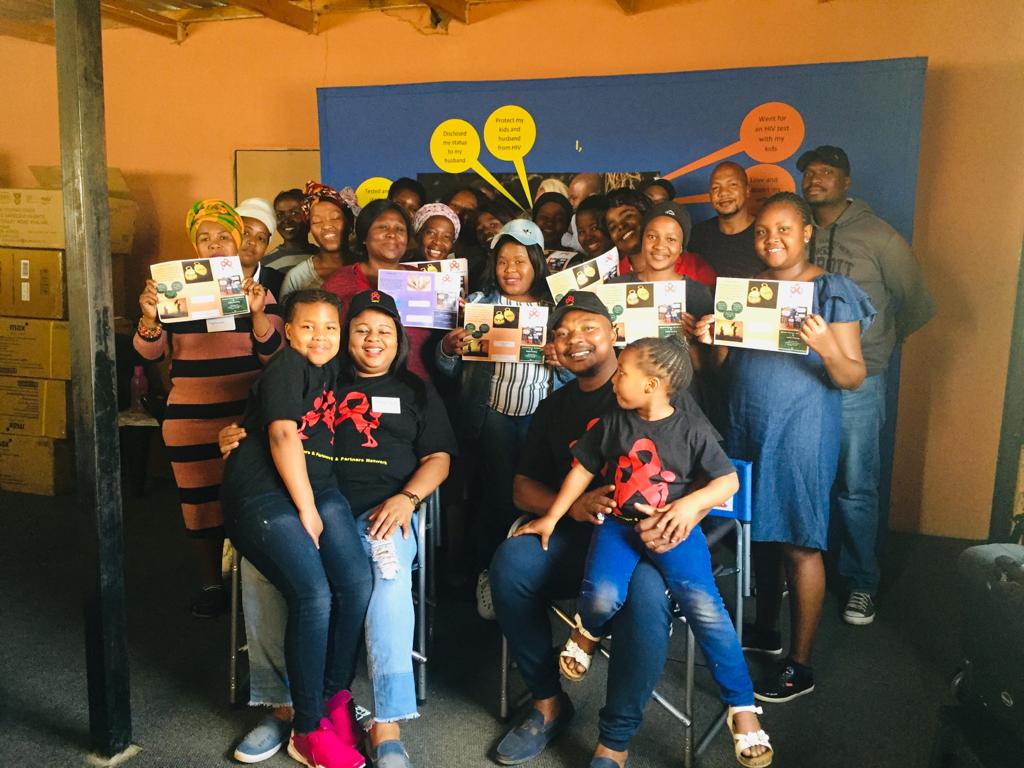
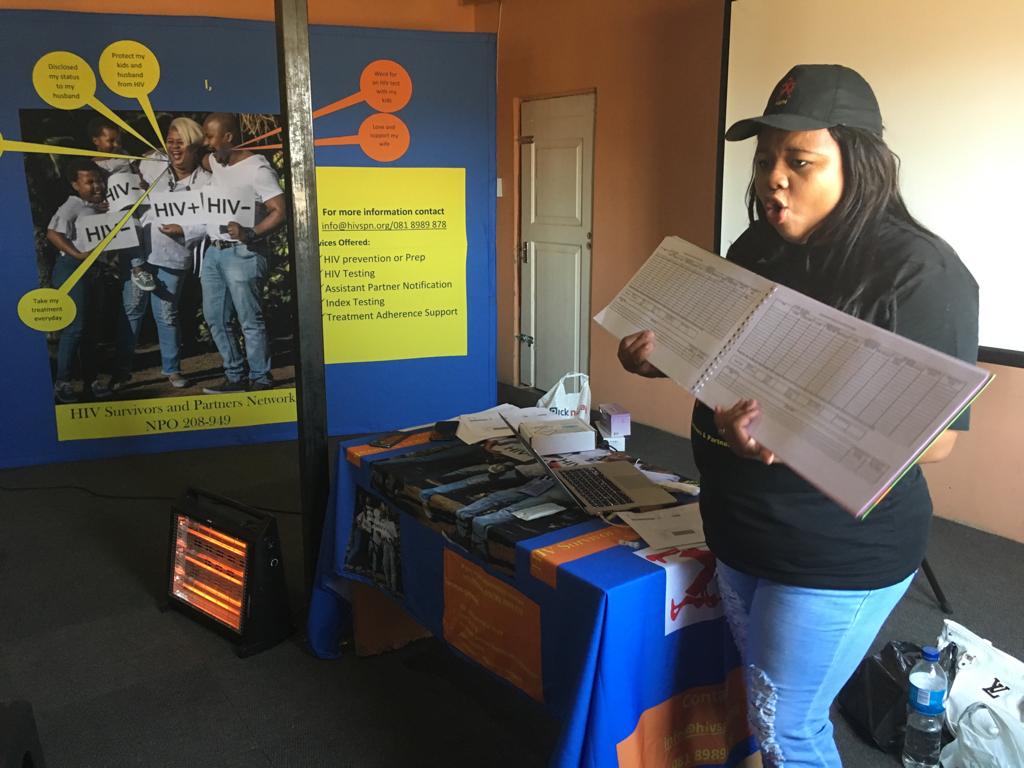
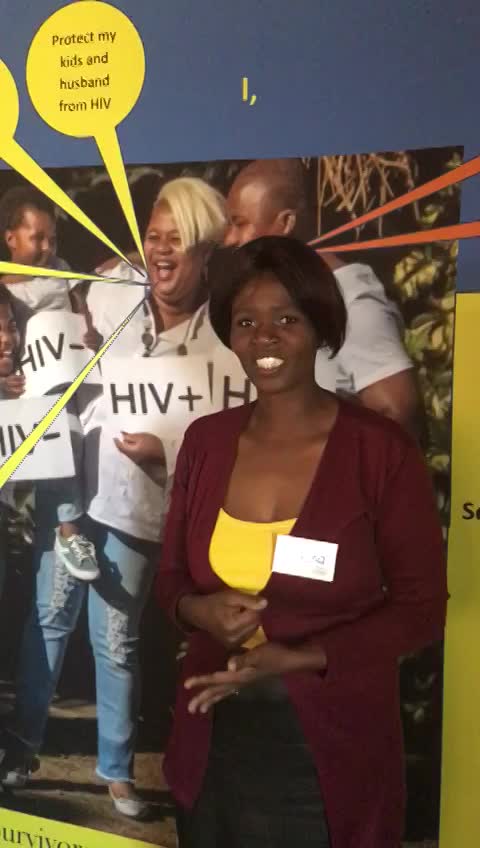
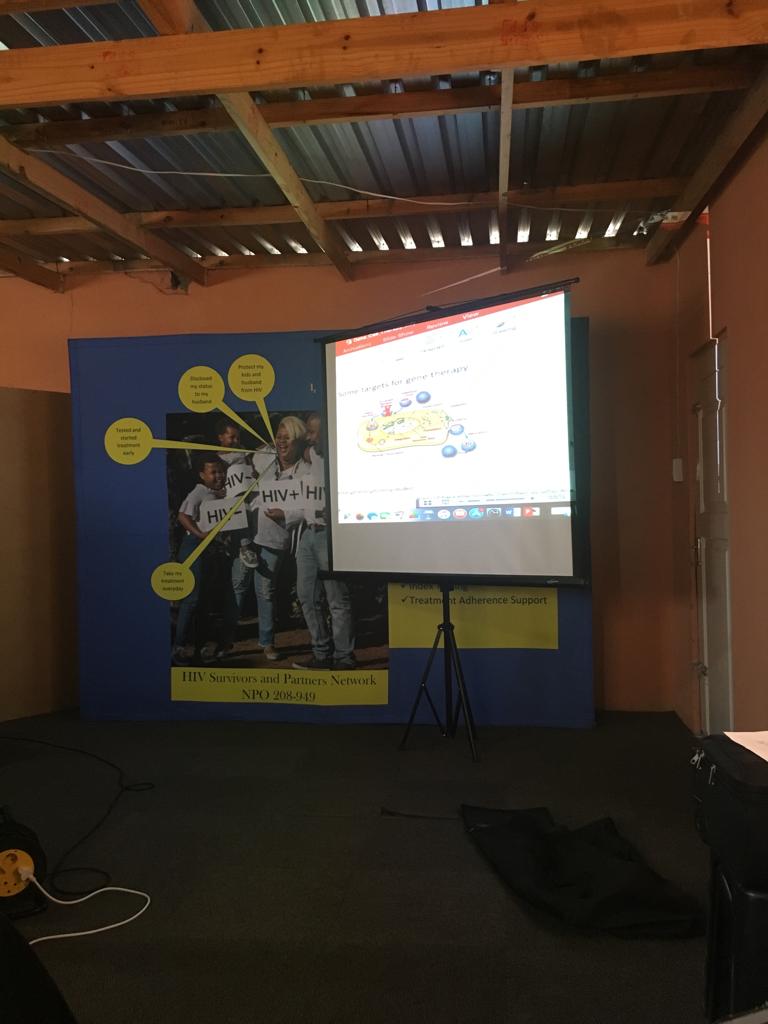
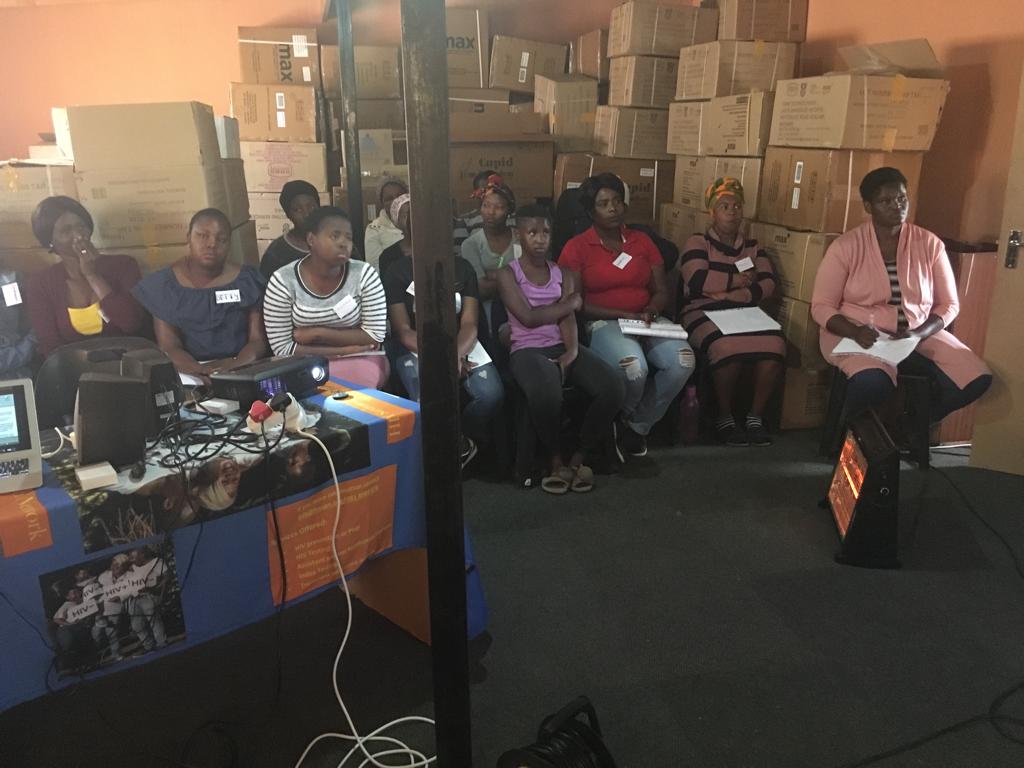
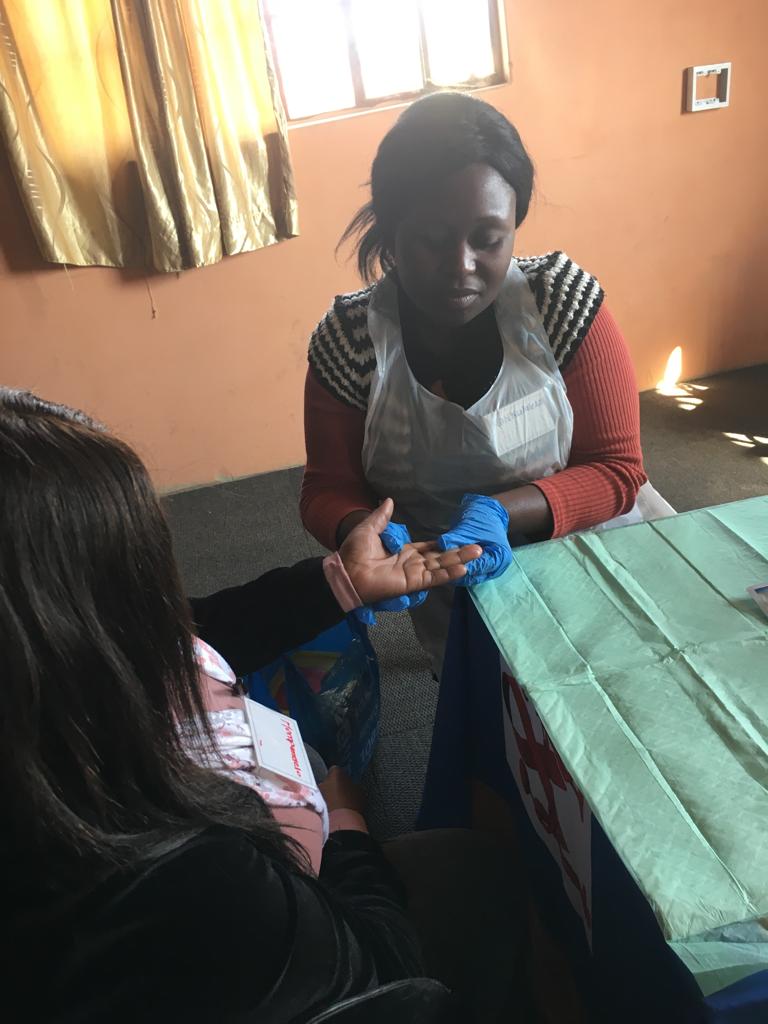
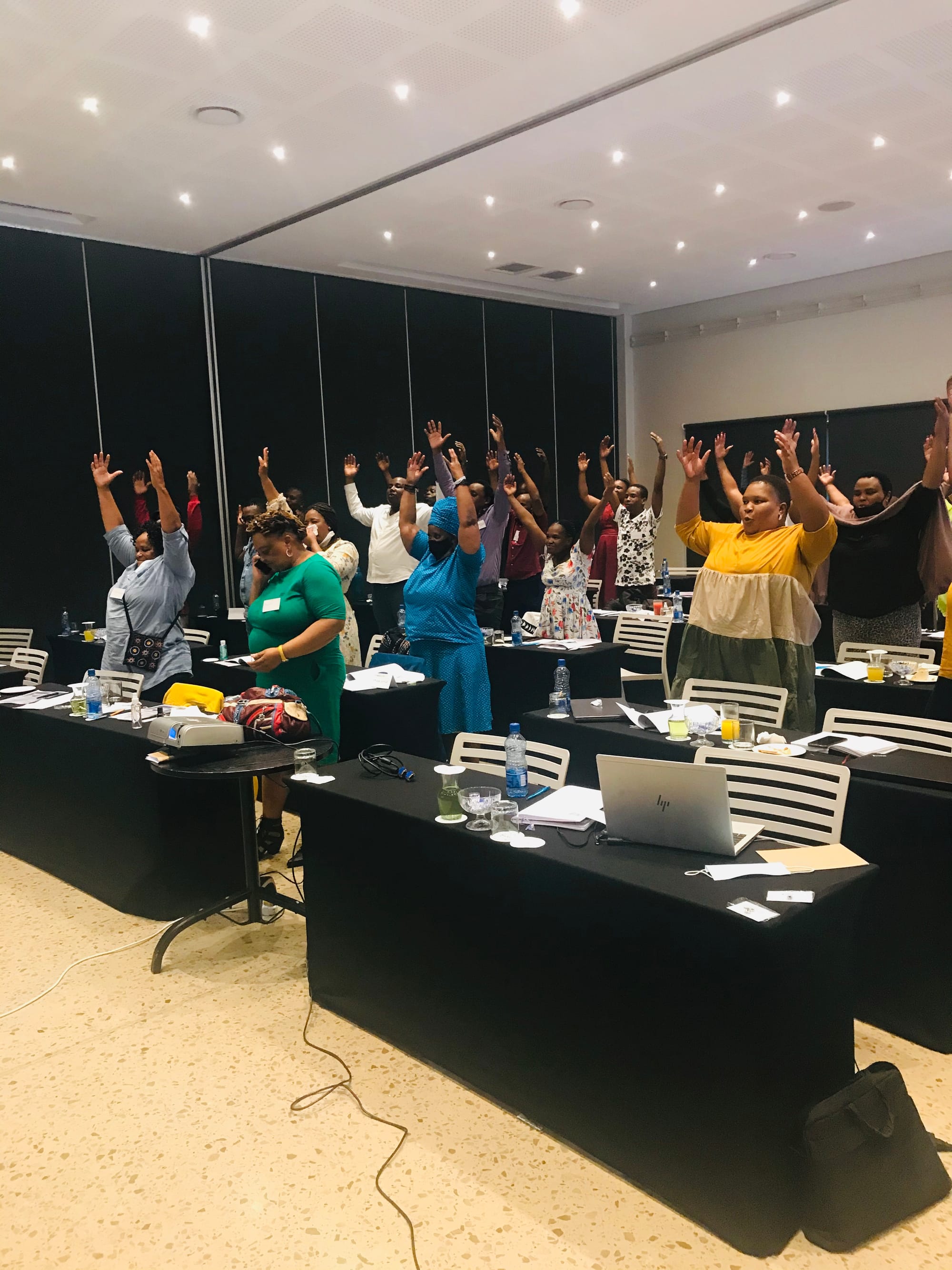

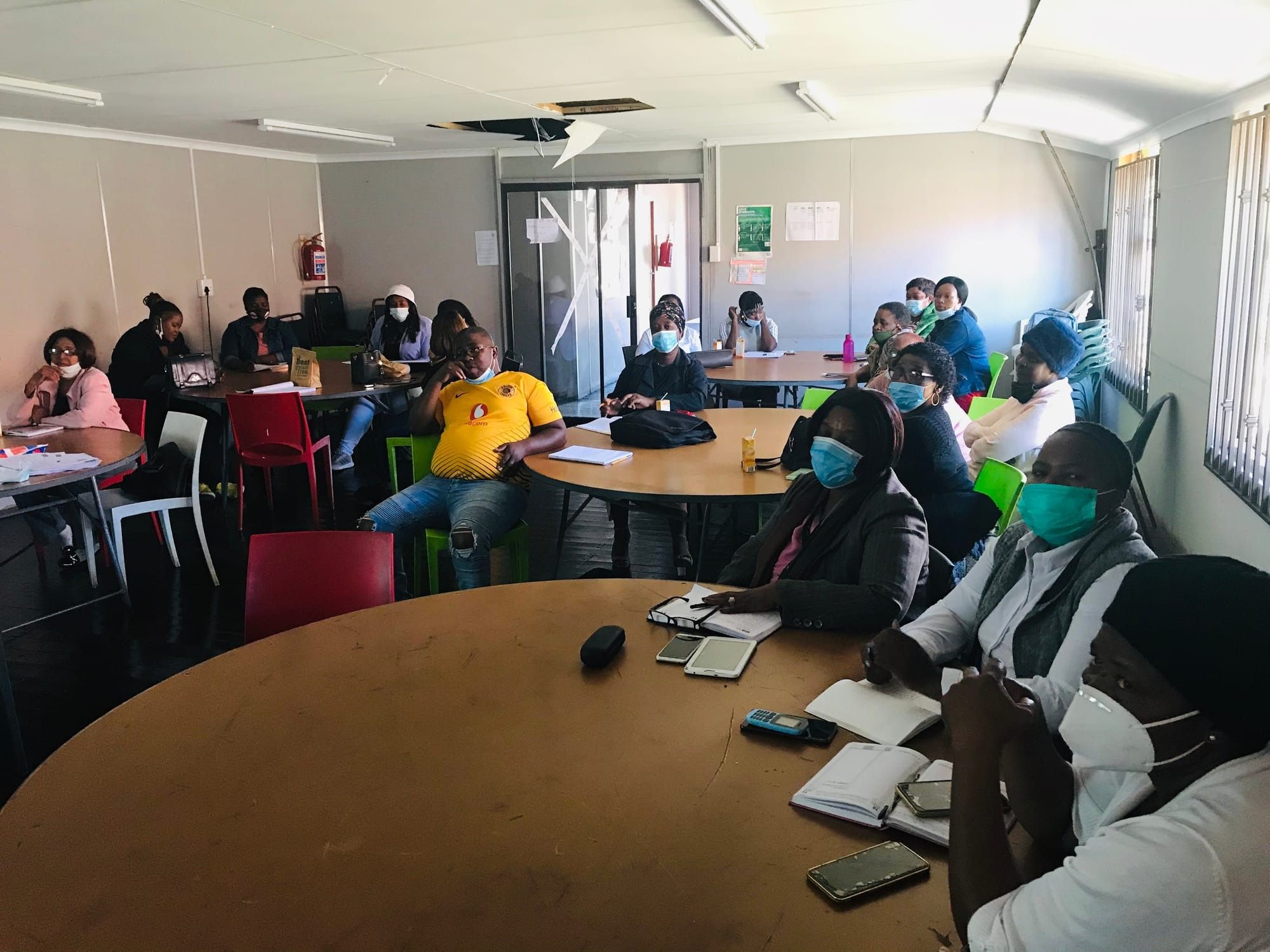
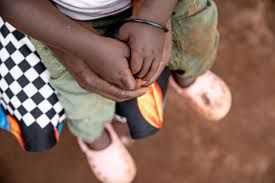


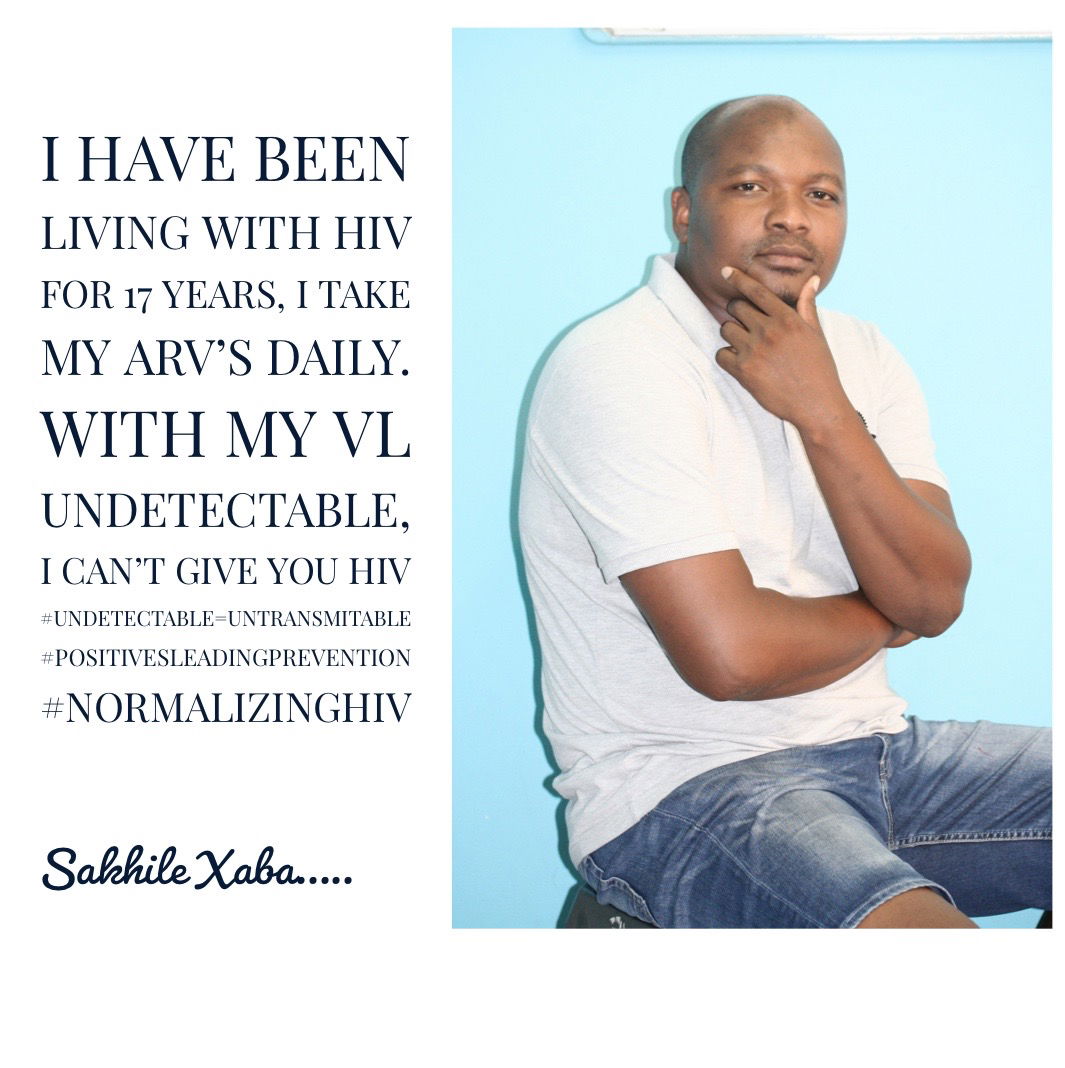

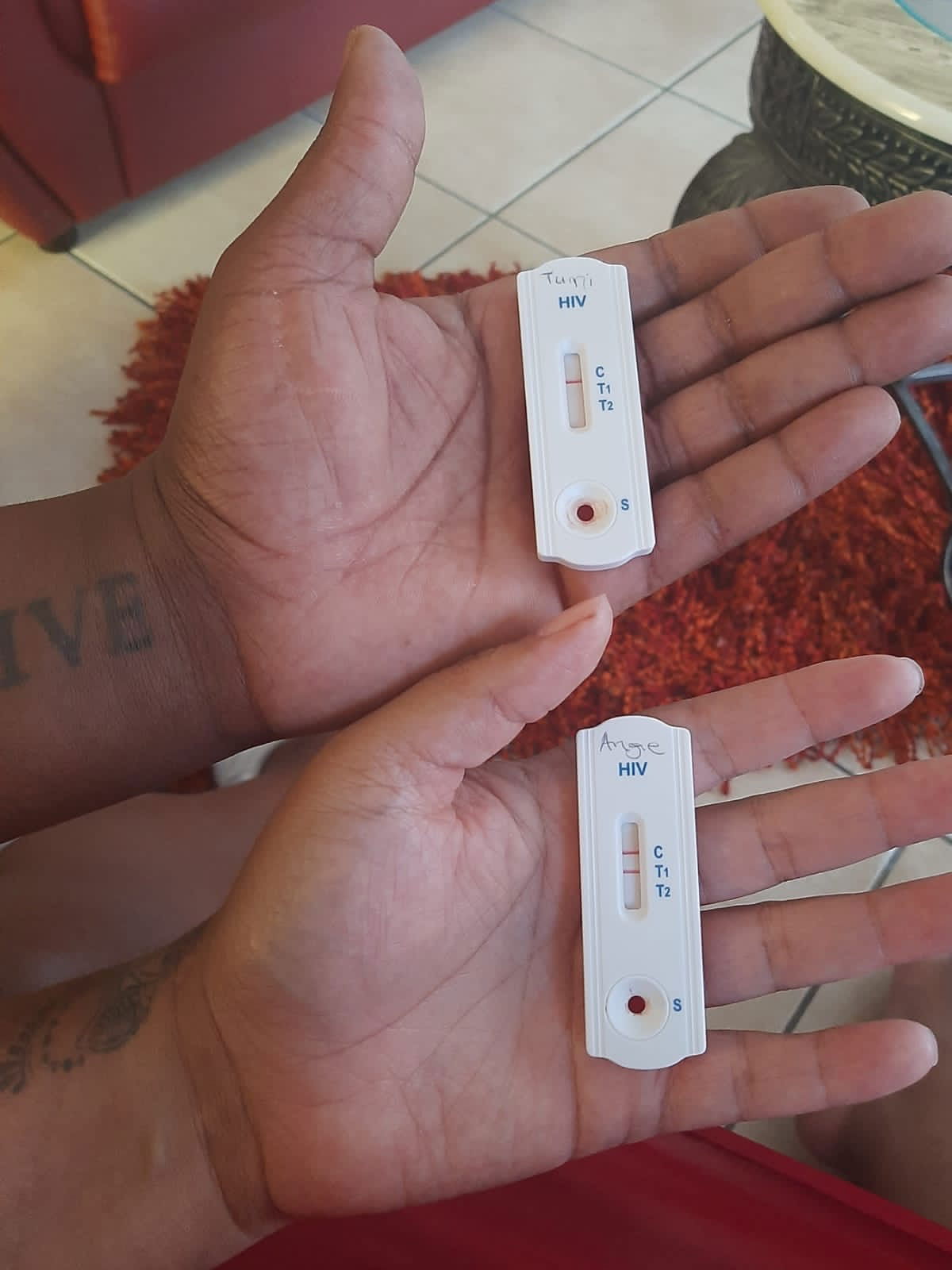
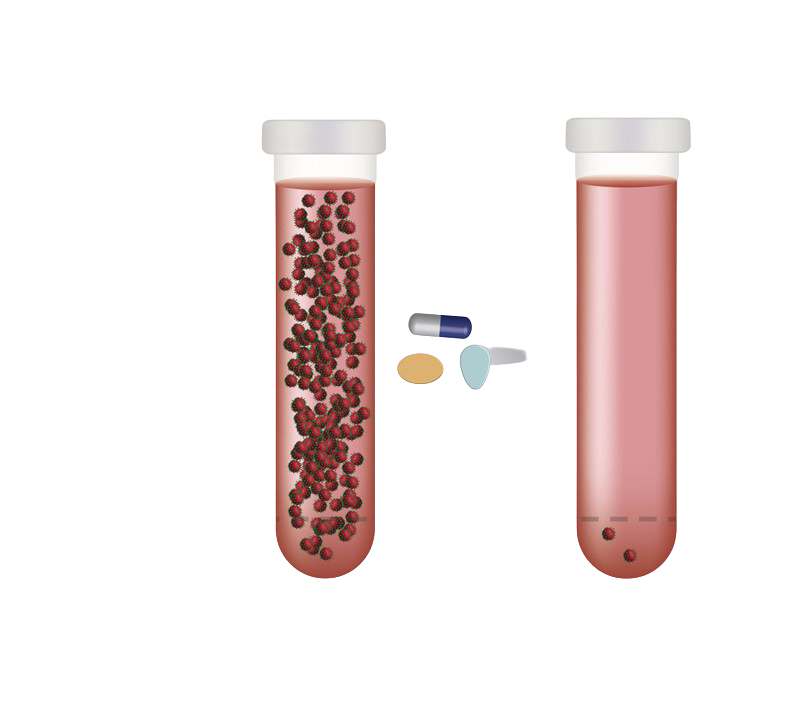


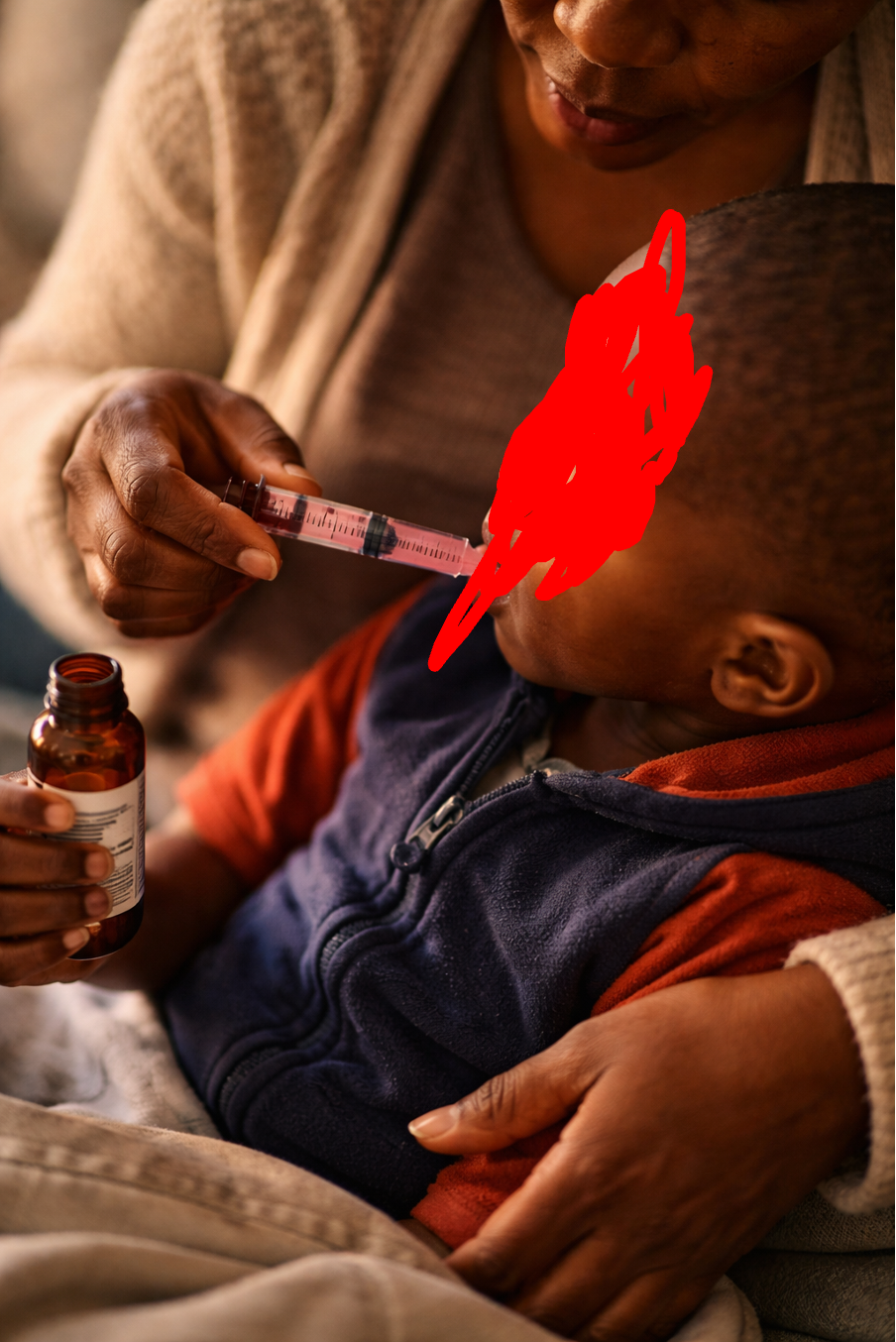
Children First: A Multi-Sectoral, Peer-Led HIV Response brings together community advocates, peer supporters, health services, social development, education, and civil society to advance equitable access to HIV treatment for children. Grounded in lived experience and local leadership, this approach strengthens identification, linkage, retention, and viral suppression by ensuring children and caregivers are supported across health and social systems.
Contact us
Evidence in Action "From HIV to Global Health Impact.”
- Centurion, Gauteng, South Africa
- 0861201923
- programs@hivspn.org
- 08:30-16:30
If you want counselling about living positive with HIV, struggling with adherence, status discloser to your partner or information about safer conception please send us an email to schedule an appointment